Pelvic pain can be a relentless companion, impacting every facet of life, from work to leisure activities. Meet Tess, a dedicated teacher whose persistent pelvic discomfort hampered her ability to stand for long hours in the classroom. For Tess and many others like her, finding effective pelvic pain management and relief was paramount. Discover how physical therapy helped Tess find pelvic pain management and relief.
Ready to get started with physical therapy for pelvic pain management? Call our team at Alta Vista Wellness Center in Laredo, TX today to learn more!
Exploring the Roots of Pelvic Pain
Pelvic pain is a complex and often debilitating condition that can manifest in various ways, impacting an individual’s physical, emotional, and social well-being.
Symptoms
Lower Abdominal Discomfort
- Individuals with pelvic pain often experience persistent or intermittent discomfort in the lower abdominal region. This discomfort may range from a dull ache to sharp, stabbing pain and may worsen with certain activities or movements.
Pelvic Pressure or Heaviness
- A sensation of pressure or heaviness in the pelvic region is common among individuals with pelvic pain. This feeling can be likened to the sensation of a constant weight or pressure bearing down on the pelvis.
Pain During Intercourse
- Dyspareunia, or pain during sexual intercourse, is a common symptom of pelvic pain. This discomfort may arise from various factors, including muscle tension, inflammation, or structural abnormalities in the pelvic region.
Urinary Symptoms
- Pelvic pain can be associated with urinary symptoms such as urinary urgency, frequency, or hesitancy. Some individuals may also experience pain or discomfort with urination, which may indicate underlying bladder or pelvic floor dysfunction.
Bowel Symptoms
- Bowel disturbances, including constipation, diarrhea, bloating, or rectal pain, may occur in conjunction with pelvic pain. These symptoms can result from pelvic floor dysfunction, nerve compression, or gastrointestinal conditions.
Pain with Sitting or Standing
- Pelvic pain can make sitting for prolonged periods or standing upright uncomfortable. Individuals may experience an exacerbation of pain with particular postures or movements, leading to functional limitations in daily activities.
Causes
Pelvic Inflammatory Conditions
- Infections or inflammatory conditions affecting the reproductive organs, such as pelvic inflammatory disease (PID), endometritis, or cervicitis, can lead to pelvic pain. These conditions may result from sexually transmitted infections, postpartum infections, or other sources of inflammation.
Gynecological Disorders
- Various gynecological disorders, including endometriosis, ovarian cysts, uterine fibroids, and adenomyosis, are common causes of pelvic pain in women. These conditions involve abnormalities in the reproductive organs and can result in chronic pelvic discomfort.
Musculoskeletal Dysfunction
- Dysfunction of the musculoskeletal structures in the pelvis, including the pelvic floor muscles, sacroiliac joints, and lumbar spine, can contribute to pelvic pain. Muscle imbalances, poor posture, trauma, or repetitive strain injuries may exacerbate musculoskeletal pain in the pelvic region.
Neurological Conditions
- Nerve compression or irritation in the pelvic region can lead to neuropathic pain syndromes, such as pudendal neuralgia or ilioinguinal neuralgia. These conditions may cause shooting or burning pain, numbness, tingling, or altered sensations in the pelvic area.
Post-Surgical Complications
- Pelvic pain may develop as a complication of pelvic surgery, such as hysterectomy, cesarean section, or pelvic organ prolapse repair. Adhesions, scar tissue formation, or nerve injuries associated with surgery can contribute to persistent pelvic discomfort.
Empowering Your Journey: Physical Therapy for Pelvic Pain Relief
Physical therapy offers a beacon of hope for individuals like Tess seeking relief from pelvic pain. Through a personalized approach, physical therapists aim to address the root cause of pelvic pain and restore optimal function. Tess can expect a comprehensive evaluation to identify specific impairments and dysfunctions contributing to her symptoms.
Techniques for Triumph
Pelvic Floor Physical Therapy
- Tess’s physical therapist evaluated her pelvic floor muscles to assess for muscle imbalances, weakness, or dysfunction. Through specialized pelvic floor exercises, biofeedback, and manual therapy techniques, Tess was able to improve pelvic floor muscle function and reduce pain and tension in the pelvic region.
Manual Therapy
- Tess’s physical therapist utilized manual therapy techniques, such as joint mobilizations, to address musculoskeletal dysfunctions contributing to her pelvic pain. Manual therapy helped alleviate Tess’s discomfort and restore mobility in her pelvis and lower back by targeting areas of muscle tightness, fascial restrictions, or joint stiffness.
Education and Self-Management Strategies
- Tess’s physical therapist provided education on pelvic anatomy, pain neuroscience, and lifestyle modifications to empower her in managing her symptoms outside of therapy sessions. Through guidance on posture, body mechanics, relaxation techniques, and bladder and bowel habits, Tess learned valuable self-management strategies to optimize her pelvic health and minimize pain triggers.
Therapeutic Exercise
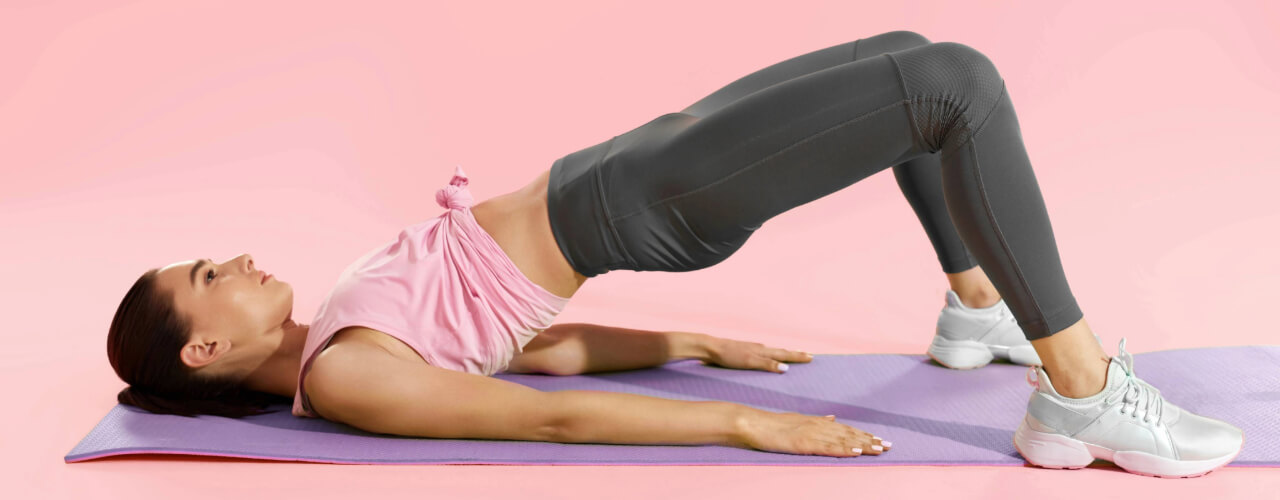
- Tess participated in a tailored exercise program that strengthened her core muscles, improved pelvic stability, and enhanced overall mobility and function. Incorporating exercises such as pelvic tilts, bridges, squats, and Pilates-based movements, Tess progressively built strength and endurance to support her pelvic health goals.
Through a comprehensive and patient-centered approach to physical therapy, individuals like Tess can reclaim control over their pelvic health and find relief from the burdens of pelvic pain.
Embracing Wellness: The Path to Pelvic Pain Relief
We are committed to providing compassionate care and evidence-based interventions to support you every step of the way. Don’t let pelvic pain hold you back any longer. Take the first step towards relief today.